The gemara learns out from the pesukim that there is a mitzva to eat on Erev Yom Kippur. What is the nature of the mitzva?
Rashi and The Rosh in Yoma both learn that it is to prepare for the fast. Other Rishonim learn that it is an independent mitzva to eat, independent of the fast. There are a number of nafka mina's brought down in the acharonim:
1. Are women חייבות in this mitzva? If it is to prepare for the fast then yes, just like they are obligated to fast they would be obligated to prepare. However, if it is an independent mitzva then it is a מצות עשה שהזמן גרמא and therefore they would not be obligated.
2. Is there a mitzva to eat the night before? If it is preparing for the fast no, eating the night before is not preparation. If it is an independent mitzva then yes.
The Gra brings an interesting proof that there is no mitzva at night from a gemara in Kesuvos 5a. The gemara there discusses why it would be prohibited to get married on מוצאי שבת. One reason offered is that since you are going to have a seuda Saturday night we are worried that you will inadvertantly be mechallel shabbos and prepare for the seuda on Shabbos. The gemara asks if so how do we allow Yom kippur to fall out on Monday? We should have the same concern about the seuda (that you will prepare it on Shabbos). The gemara answers that on Erev Yom Kippur יש לו רוחה, he has time. Rashi explains because the seuda is only the next day during the day. We see from here that there is no chiyuv to eat at night.
Thursday, September 28, 2006


Wednesday, September 27, 2006
Wearing non-leather shoes on Yom Kippur
There is a dispute in the Gemara in Yoma and Yevamos what is the definition of a shoe. The Shulchan Aruch paskens in Siman תרי"ד that only leather (or leather covered) shoes are prohibited on Yom Kippur. However the Mishan Berura there writes that טוב להחמיר not to wear non-leather shoes.
R' Shternbuch (Moadim U'Zmanim 6:28) writes that today this chumra of the MB may be מעיקר הדין. He makes the following 2 points.
1. Today non-leather shoes/sneakers are as comfortable or more comfortable then leather shoes. The Rambam writes that the reason why non-leather shoes are permitted is because שהרי קושי הארץ מגיע לרגליו, ומרגיש שהוא יחף he feels the hard ground and he feels like he is barefoot, nowadays this no longer applies.
2. Non leather shoes/sneakers are worn outside the house as shoes. This may give them the status of shoes since they have the shape of a shoe.
R' Shternbuch recommends wearing house slippers or wearing just socks to get around this problem.
The minhag seems to be to be מיקל (and R' Shternbuch hinself says יש על מה לסמוך and you shouldn't be look askance at anyone who is מיקל and wears non-leather shoes) however, IMHO, on Yom Kippur, the holiest day of the year, where we are asking for mechila and kappara for our sins, it would not be a bad idea to be machmir here on something that is relatively easy to do.
R' Shternbuch (Moadim U'Zmanim 6:28) writes that today this chumra of the MB may be מעיקר הדין. He makes the following 2 points.
1. Today non-leather shoes/sneakers are as comfortable or more comfortable then leather shoes. The Rambam writes that the reason why non-leather shoes are permitted is because שהרי קושי הארץ מגיע לרגליו, ומרגיש שהוא יחף he feels the hard ground and he feels like he is barefoot, nowadays this no longer applies.
2. Non leather shoes/sneakers are worn outside the house as shoes. This may give them the status of shoes since they have the shape of a shoe.
R' Shternbuch recommends wearing house slippers or wearing just socks to get around this problem.
The minhag seems to be to be מיקל (and R' Shternbuch hinself says יש על מה לסמוך and you shouldn't be look askance at anyone who is מיקל and wears non-leather shoes) however, IMHO, on Yom Kippur, the holiest day of the year, where we are asking for mechila and kappara for our sins, it would not be a bad idea to be machmir here on something that is relatively easy to do.
Monday, September 25, 2006
Review of the Rav's Yom Kippur Machzor
I bought the Machzor on erev Rosh Hashana and looked through it briefly on Rosh Hashana, my review is in no way comprehensive.
The Machzor is an adaptation of the Artscroll Yom Kippur Machzor. The translation and the instructions are from Artscroll.
The Machzor adds (or replaces) the following to the regular Machzor:
1. A nice introduction by R' Shachter and R' Genack
2. A very extensive section on the hanhagos of the Rav, although I had seen many of these printed already (Nefesh Harav, MiPninei Harav, Mesora, etc.), there were hanhagos that I had never seen before. In any case, it is very nice to have all the Rav's hanhagos relating to tefilla and Yom Kippur in one place.
3. The commentary on the bottom of the Machzor is taken from the Rav's shiurim, articles etc. The commentary in many places is extensive. A lot of work was taken in preparing the commentary from all the sources.
The Machzor works as follows. On the top is the regular Artscroll Hebrew and English text, including the directions of what to do. Under that is a section where the Rav's hanhagos relating to the specific tefillos (of that page) are noted (there is an indication in the Machzor text that refer's to the Rav's hanhaga). On the bottom is the commentary culled from the Rav's writing's and shiurim.
The use of the Artscroll Machzor as a base is understandable. It has become the defacto Machzor used by people who want an English translation. In addition, to translate and typeset from scratch the Yom Kippur Machzor is a tremendous amount of work. However, in this case it is a bit problematic and takes away from things. In many cases, the text at the top and the instructions say one thing while the Rav's hanhaga (printed below) says something else entirely. The Rav changed the nusach of certain things, but in the text above, the Rav's change doesn't even appear as a variant reading. In fact, by the Avoda, the Artscroll machzor prints the regular nusach ashkenaz Avoda. The hanhaga on the bottom says that the Rav had problems with this version of the avoda because it contradicted the gemara and therefore he said the nusach sefard version of the Avoda. In other cases the instructions say one thing while the Rav's hanhaga says the opposite. It would have been much better if the text of the machzor followed the Rav with a variant reading of the common custom (like you see in the siddor of the Gra etc.).
Notwithstanding the above, if you consider yourself a student of the Rav or one of his Talmidim (e.g. R' Shachter etc.) it is worthwhile to get the Machzor. It does a very good job of pulling together both the Rav's hanhagos and the Rav's thoughts on the Yom Kippur davening from a whole host of sources and putting them into the proper place.
One final note, the Machzor at least in Israel is quite expensive, 193 shekel, about $45, I believe that even so it is a worthwhile investment.
The Machzor is an adaptation of the Artscroll Yom Kippur Machzor. The translation and the instructions are from Artscroll.
The Machzor adds (or replaces) the following to the regular Machzor:
1. A nice introduction by R' Shachter and R' Genack
2. A very extensive section on the hanhagos of the Rav, although I had seen many of these printed already (Nefesh Harav, MiPninei Harav, Mesora, etc.), there were hanhagos that I had never seen before. In any case, it is very nice to have all the Rav's hanhagos relating to tefilla and Yom Kippur in one place.
3. The commentary on the bottom of the Machzor is taken from the Rav's shiurim, articles etc. The commentary in many places is extensive. A lot of work was taken in preparing the commentary from all the sources.
The Machzor works as follows. On the top is the regular Artscroll Hebrew and English text, including the directions of what to do. Under that is a section where the Rav's hanhagos relating to the specific tefillos (of that page) are noted (there is an indication in the Machzor text that refer's to the Rav's hanhaga). On the bottom is the commentary culled from the Rav's writing's and shiurim.
The use of the Artscroll Machzor as a base is understandable. It has become the defacto Machzor used by people who want an English translation. In addition, to translate and typeset from scratch the Yom Kippur Machzor is a tremendous amount of work. However, in this case it is a bit problematic and takes away from things. In many cases, the text at the top and the instructions say one thing while the Rav's hanhaga (printed below) says something else entirely. The Rav changed the nusach of certain things, but in the text above, the Rav's change doesn't even appear as a variant reading. In fact, by the Avoda, the Artscroll machzor prints the regular nusach ashkenaz Avoda. The hanhaga on the bottom says that the Rav had problems with this version of the avoda because it contradicted the gemara and therefore he said the nusach sefard version of the Avoda. In other cases the instructions say one thing while the Rav's hanhaga says the opposite. It would have been much better if the text of the machzor followed the Rav with a variant reading of the common custom (like you see in the siddor of the Gra etc.).
Notwithstanding the above, if you consider yourself a student of the Rav or one of his Talmidim (e.g. R' Shachter etc.) it is worthwhile to get the Machzor. It does a very good job of pulling together both the Rav's hanhagos and the Rav's thoughts on the Yom Kippur davening from a whole host of sources and putting them into the proper place.
One final note, the Machzor at least in Israel is quite expensive, 193 shekel, about $45, I believe that even so it is a worthwhile investment.
Thursday, September 21, 2006
Shofar on Shabbos
The gemara in Rosh Hashana 29b,asks why don't we blow shofar on Shabbos and answers as follows. The pasuk says יום תרועה and it also says זכרון תרועה. The first is when RH falls out during the week the second is when it falls out on Shabbos. The gemara then asks, if so why in the Beis Hamikdash do we blow on Shabbos? Also, what is the problem with blowing on Shabbos it is not a melacha? The gemara therefore rejects the first answer and answers in the name of Rava that it is a גזירה tha maybe you will carry the shofar.
The Yerushalmi however, sticks with the Bavli's hava amina. It doesn't ask the Bavli's questions and doesn't offer the גזירה reason. According to the Yerushalmi, it comes out min hatorah there is no chiyuv to blow shofar on Shabbos.
There is a big nafka mina between the 2. R' Zvi Pesach Frank has the following question. There was a machlokes in his day whether you should to blow shofar in Yerushalayimn on Shabbos (ואכמ"ל why). R' Shlesinger held that it was allowed and therefore he blew shofar on Shabbos. R' Frank asked whether other people should go and listen and be יוצא the mitzva. The whole question only is relevant according to the Bavli, according to the Yerushalmi there is nothing to talk about as there is no chiyuv on Shabbos.
He points out that according to the Bavli (that it is only a גזירה) it is related to a machlokes Tosafos and the Ran by Succa. When the chachamim say not to do a mitzva and you do it, are you mekyame the mitzva? Tosafos Succa 3a sys no, the Ran there argues and says you are mekayem the din doraysa. The same here by shofar. According to Tosafos since לשיטתך R' Shlesinger is violating the din d'rabbanan he and you are not יוצא even the mitzva d'oraysa.
The Yerushalmi however, sticks with the Bavli's hava amina. It doesn't ask the Bavli's questions and doesn't offer the גזירה reason. According to the Yerushalmi, it comes out min hatorah there is no chiyuv to blow shofar on Shabbos.
There is a big nafka mina between the 2. R' Zvi Pesach Frank has the following question. There was a machlokes in his day whether you should to blow shofar in Yerushalayimn on Shabbos (ואכמ"ל why). R' Shlesinger held that it was allowed and therefore he blew shofar on Shabbos. R' Frank asked whether other people should go and listen and be יוצא the mitzva. The whole question only is relevant according to the Bavli, according to the Yerushalmi there is nothing to talk about as there is no chiyuv on Shabbos.
He points out that according to the Bavli (that it is only a גזירה) it is related to a machlokes Tosafos and the Ran by Succa. When the chachamim say not to do a mitzva and you do it, are you mekyame the mitzva? Tosafos Succa 3a sys no, the Ran there argues and says you are mekayem the din doraysa. The same here by shofar. According to Tosafos since לשיטתך R' Shlesinger is violating the din d'rabbanan he and you are not יוצא even the mitzva d'oraysa.
The process of din on Rosh Hashana
This post The process of din on Rosh Hashana from last year, tries to explain what we are judged for on Rosh Hashana and how the process works.
Wednesday, September 20, 2006
What does המלך הקדוש mean?
Friday night we are all going to start saying המלך הקדוש, what does it really mean? I refer you to a post from last year What does המלך הקדוש mean? which addresses this issue.
Monday, September 18, 2006
Why is Rosh Hashana before Yom Kippur?
I am reposting this (with some minor corrections/additions) from last year as I believe that this is a very important point to think about as we approach Rosh Hashana.
If you think about it logically Yom Kippur should come first. First we should do teshuva say viduy, fast, etc (all the things we do on YK), be forgiven for our sins, and then we would be prepared to be judged, namely Rosh Hashana. Instead we do things in what seems to be a backwards way. First we are judged and only after we were already judged do we have Yom Kippur which is a day set aside for teshuva and kappara.
The answer is as follows. For a person to do teshuva they need to understand that they did an aveira and that there is someone who cares, Hashem, and that Hashem can forgive them. Until a person comes to that realization it is futile to attempt to do teshuva. Until you realize that there is a King of the World who cares what happens and is involved in the world, you cannot do teshuva. You need to accept the authority/kingship of Hashem so that you understand that you did something wrong and that you need to do teshuva. Therefore Rosh Hashana comes first. The theme of RH is that Hashem is King of the world. We go on about how Hashem rules the world and judges people. Once we accept that Hashem can judge us for our aveiros and punish us, then we are ready to do teshuva. Once we have accepted his authority/kingship we can then understand the severity of our Aveiros and realize that Hashem is there to forgive us if we do teshuva. This can only happen after we accept the din of Rosh Hashana and therefore Yom Kippur can only come after the din of Rosh Hashana.
I hope that we all accept Hashem's kingship on RH and are in the process of doing teshuva so that we have a kesiva vchasima tova.
If you think about it logically Yom Kippur should come first. First we should do teshuva say viduy, fast, etc (all the things we do on YK), be forgiven for our sins, and then we would be prepared to be judged, namely Rosh Hashana. Instead we do things in what seems to be a backwards way. First we are judged and only after we were already judged do we have Yom Kippur which is a day set aside for teshuva and kappara.
The answer is as follows. For a person to do teshuva they need to understand that they did an aveira and that there is someone who cares, Hashem, and that Hashem can forgive them. Until a person comes to that realization it is futile to attempt to do teshuva. Until you realize that there is a King of the World who cares what happens and is involved in the world, you cannot do teshuva. You need to accept the authority/kingship of Hashem so that you understand that you did something wrong and that you need to do teshuva. Therefore Rosh Hashana comes first. The theme of RH is that Hashem is King of the world. We go on about how Hashem rules the world and judges people. Once we accept that Hashem can judge us for our aveiros and punish us, then we are ready to do teshuva. Once we have accepted his authority/kingship we can then understand the severity of our Aveiros and realize that Hashem is there to forgive us if we do teshuva. This can only happen after we accept the din of Rosh Hashana and therefore Yom Kippur can only come after the din of Rosh Hashana.
I hope that we all accept Hashem's kingship on RH and are in the process of doing teshuva so that we have a kesiva vchasima tova.
Women covering their hair in halacha
I recently learned the sugya in כתובות ע"ב (which is the sugya that discusses this issue) and would therefore like to explore the issues based on the gemara.
A little background. The Mishna in כתובות is discussing aveiros that the wife does that cause her to lose her כתובה. The Mishna firsts lists dinim d'oraysa (the Mishna calls them דת משה) and then dinim d'rabbanan (the mishna calls them דת יהודית). One of the things that the Mishna lists as דת יהודית is יוצאת וראשה פרוע, meaning she gets out with her head uncovered.
Belows is the gemara that discusses יוצאת וראשה פרוע:

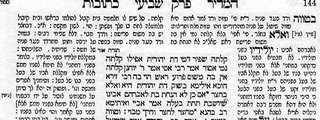
Here is my rough translation (including some basic comments) of the gemara.
The gemara asks, isn't יוצאת וראשה פרוע (going out with her head uncovered) d'oraysa? We learn out from the pasuk (by Sotah) ופרע את ראש האשה, that we expose the head of the women, that from here is a warning that Jewish women should not go around וראשה פרוע , with their heads uncovered. The gemara answers, min hatorah קלתה (there is a machlokes how to translate this so I will leave it for now) is enough, דת יהודית adds on that קלתה is not enough. R' Asi says in the name of R' Yochanan that קלתה is not considered ראשה פרוע, her head uncovered. R' Zeira asks what is the case? If it is in the market then she is violating דת יהודית, and if it is in a חצר (private courtyard), no woman will be able to stay married. Abaye or some say R' Kahane answered, R' Yochanan was talking about the case where she is going from private courtyard to an other private courtyard through a מבוי (which is semi-private)
Now I would like to analyze the Gemara.
1. We need to understand what does the Gemara mean when it says that יוצאת וראשה פרוע (going out with her head uncovered) is d'oraysa. Is this to be taken literally? This is actually a machlokes harishonim. The Meiri writes that this is a real din d'oraysa. However, the Terumas Hadeshen writes that this is only an asmachta. The language the Gemara uses is sometimes used by dinim d'rabbanan. The overhwelming majority of modern day poskim hold that it is d'oraysa. Here is a partial list: Mishna Berura Siman 75, Yechavah Daat 5:62, Tzitz Eliezer 7:48:3, Iggrot Moshe EH 1:53, Seredai Aish 3:30
2. Who does this halacha apply to? The Rambam איסורי ביאה כ"א,י"ז seems to apply this to unmarried women as well. The Shulchan Aruch in Even Haezer Siman 21 also seems to apply this to unmarried women. The Gra' there comments that the source is that the Gemara states אזהרה לבנות ישראל the term bnos yirael implies all Jewish girls/women. If it had been just married women it should have said אזהרה לאשת איש instead. However, the mefarshim on the Shulchan Aruch point out that in אורח חיים סימן ע"ה the Shulchan Aruch does distinguish (with regards to saying Kris Shma next to uncovered hair) between married and unmarried women. Therefore they suggest that in Even Haezer the Shulchan Aruch is referring to divorcees and/or widows, but never been married girls do not need to cover their hair.
3. What does קלתה mean? Rashi, Tosafos, Ritva and others understand it as follows. It is a head covering like a basket which has holes in it and you can see some of her hair through the holes. According to this what is the דת משה and what is the דת יהודית? The דת משה is to cover a majority of her hair (see Igros Moshe Even Haezer siman 58 for the derivation), the דת יהודית is to cover all of the hair.
4. What was R' Zeira's question? According to many Rishonim (Rashi, Tosafos, Ritva, Ran), the question was as follows. How can we require any head covering whatsoever in a חצר, it is too much for the women to handle. The Gemara's answer was you are right, in a חצר there is no chiyuv whatsoever to cover her hair. When she is going from one to another through a מבוי then she needs to cover a majority of her hair.
When we say that in a חצר there is no chiyuv to cover her hair, what is the reason? Does this apply even if there are other people around? Both Rashi and the Ritva understand the heter of חצר as follows. Since it is a private place no one will see her. Based on this, if there are other people around she would need to cover her hair. However, the שרידי אש assumes that the heter of חצר applies even if other people are around. It would seem that he learns that the heter is based on the place. In a private place the woman is allowed to act in a more informal manner. This שרידי אש is the basis for those women who cover their hair out of their house but not in their house. The overwhelming majority of poskim reject the שרידי אש and hold that the heter of חצר only applies if no one is there. Furthermore, they quote the gemara in Yoma 47a which has a midas chassidus that a woman should always cover her hair even in private.
The Rambam has a different understanding of the Gemara. The Rambam holds that קלתה means 1 covering like a kerchief. In other words, דת משה is to wear 1 covering which covers all her hair, דת יהודית is to wear a second covering. This is the source of the minhag among certain chassidic groups to wear a shaitel and on top a hat.
The דת משה (which may or may not be d'oraysa) is to cover a majority of her hair when she is in public. The דת יהודית adds on that in public she needs to cover all of her hair. In private (חצר or house), if no one else is around there is no chiyuv at all according to many Rishonim, if others are around, according to most poskim there would be a chiyuv to cover all her hair, according to a minority opinion there would be no chiyuv.
I have seen a piece written by Rabbi Broyde where he claims that דת יהודית depends on the time and place and therefore it would change based on society. Based on this he claims that in a society where women do not cover their hair it may be permitted for Jewish women as well (he writes this as a limud zechus).
I don't understand however, what he does with the din d'oraysa (or asmachta) that the Gemara learns out from Sotah? This din which is learned out from a pasuk (even if it is an asmachta) is not going to change based on the minhag. The Gemara clearly states that יוצאת וראשה פרוע is learned out from a pasuk. While there may be a machlokes what exactly this means the bottom line is that there is some form of head covering that is required by ths limud from the pasuk. This will not change based on society and therefore I don't see what the basis for the heter to not cover hair at all is.
A little background. The Mishna in כתובות is discussing aveiros that the wife does that cause her to lose her כתובה. The Mishna firsts lists dinim d'oraysa (the Mishna calls them דת משה) and then dinim d'rabbanan (the mishna calls them דת יהודית). One of the things that the Mishna lists as דת יהודית is יוצאת וראשה פרוע, meaning she gets out with her head uncovered.
Belows is the gemara that discusses יוצאת וראשה פרוע:

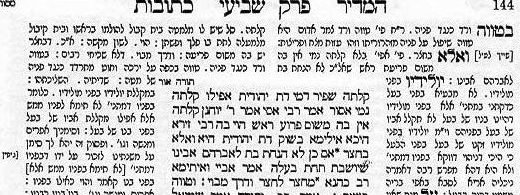
Here is my rough translation (including some basic comments) of the gemara.
The gemara asks, isn't יוצאת וראשה פרוע (going out with her head uncovered) d'oraysa? We learn out from the pasuk (by Sotah) ופרע את ראש האשה, that we expose the head of the women, that from here is a warning that Jewish women should not go around וראשה פרוע , with their heads uncovered. The gemara answers, min hatorah קלתה (there is a machlokes how to translate this so I will leave it for now) is enough, דת יהודית adds on that קלתה is not enough. R' Asi says in the name of R' Yochanan that קלתה is not considered ראשה פרוע, her head uncovered. R' Zeira asks what is the case? If it is in the market then she is violating דת יהודית, and if it is in a חצר (private courtyard), no woman will be able to stay married. Abaye or some say R' Kahane answered, R' Yochanan was talking about the case where she is going from private courtyard to an other private courtyard through a מבוי (which is semi-private)
Now I would like to analyze the Gemara.
1. We need to understand what does the Gemara mean when it says that יוצאת וראשה פרוע (going out with her head uncovered) is d'oraysa. Is this to be taken literally? This is actually a machlokes harishonim. The Meiri writes that this is a real din d'oraysa. However, the Terumas Hadeshen writes that this is only an asmachta. The language the Gemara uses is sometimes used by dinim d'rabbanan. The overhwelming majority of modern day poskim hold that it is d'oraysa. Here is a partial list: Mishna Berura Siman 75, Yechavah Daat 5:62, Tzitz Eliezer 7:48:3, Iggrot Moshe EH 1:53, Seredai Aish 3:30
2. Who does this halacha apply to? The Rambam איסורי ביאה כ"א,י"ז seems to apply this to unmarried women as well. The Shulchan Aruch in Even Haezer Siman 21 also seems to apply this to unmarried women. The Gra' there comments that the source is that the Gemara states אזהרה לבנות ישראל the term bnos yirael implies all Jewish girls/women. If it had been just married women it should have said אזהרה לאשת איש instead. However, the mefarshim on the Shulchan Aruch point out that in אורח חיים סימן ע"ה the Shulchan Aruch does distinguish (with regards to saying Kris Shma next to uncovered hair) between married and unmarried women. Therefore they suggest that in Even Haezer the Shulchan Aruch is referring to divorcees and/or widows, but never been married girls do not need to cover their hair.
3. What does קלתה mean? Rashi, Tosafos, Ritva and others understand it as follows. It is a head covering like a basket which has holes in it and you can see some of her hair through the holes. According to this what is the דת משה and what is the דת יהודית? The דת משה is to cover a majority of her hair (see Igros Moshe Even Haezer siman 58 for the derivation), the דת יהודית is to cover all of the hair.
4. What was R' Zeira's question? According to many Rishonim (Rashi, Tosafos, Ritva, Ran), the question was as follows. How can we require any head covering whatsoever in a חצר, it is too much for the women to handle. The Gemara's answer was you are right, in a חצר there is no chiyuv whatsoever to cover her hair. When she is going from one to another through a מבוי then she needs to cover a majority of her hair.
When we say that in a חצר there is no chiyuv to cover her hair, what is the reason? Does this apply even if there are other people around? Both Rashi and the Ritva understand the heter of חצר as follows. Since it is a private place no one will see her. Based on this, if there are other people around she would need to cover her hair. However, the שרידי אש assumes that the heter of חצר applies even if other people are around. It would seem that he learns that the heter is based on the place. In a private place the woman is allowed to act in a more informal manner. This שרידי אש is the basis for those women who cover their hair out of their house but not in their house. The overwhelming majority of poskim reject the שרידי אש and hold that the heter of חצר only applies if no one is there. Furthermore, they quote the gemara in Yoma 47a which has a midas chassidus that a woman should always cover her hair even in private.
The Rambam has a different understanding of the Gemara. The Rambam holds that קלתה means 1 covering like a kerchief. In other words, דת משה is to wear 1 covering which covers all her hair, דת יהודית is to wear a second covering. This is the source of the minhag among certain chassidic groups to wear a shaitel and on top a hat.
Summary
The דת משה (which may or may not be d'oraysa) is to cover a majority of her hair when she is in public. The דת יהודית adds on that in public she needs to cover all of her hair. In private (חצר or house), if no one else is around there is no chiyuv at all according to many Rishonim, if others are around, according to most poskim there would be a chiyuv to cover all her hair, according to a minority opinion there would be no chiyuv.
I have seen a piece written by Rabbi Broyde where he claims that דת יהודית depends on the time and place and therefore it would change based on society. Based on this he claims that in a society where women do not cover their hair it may be permitted for Jewish women as well (he writes this as a limud zechus).
I don't understand however, what he does with the din d'oraysa (or asmachta) that the Gemara learns out from Sotah? This din which is learned out from a pasuk (even if it is an asmachta) is not going to change based on the minhag. The Gemara clearly states that יוצאת וראשה פרוע is learned out from a pasuk. While there may be a machlokes what exactly this means the bottom line is that there is some form of head covering that is required by ths limud from the pasuk. This will not change based on society and therefore I don't see what the basis for the heter to not cover hair at all is.
Thursday, September 14, 2006
The Israeli Supreme Court
Today Supreme Court President Aharon Barak is retiring to accolades and his successor Dorit Beinish is being sworn in. As someone who grew up in the US I have a number of major problems with the Supreme Court in Israel:
1. Israel as opposed to the US has no Constitution and therefore it is absurd for the judges to annul laws as unconstitutional. Barak, bases himself on a set of "Basic Laws" which he gives the status of a constitution. The problem is that the Basic Laws were not intended as a Constitution and were not subject to national debate or passed by a referendum or other democratic process which would give them widespread legitimacy. In fact, they were passed in committee by a fraction of the Knesset. In addition unlike other constitutional documents, a simple majority has the right to amend these "Basic Laws" as opposed a super majority or referendum as standard practice in other countries. In 1992 the Knesset passed the first two Basic Laws which related to rights; the basis of the Supreme Court's recently declared powers of Judicial Review. These were passed by votes of 32-21 and 23-0, respectively. Imagine, a grand total of 23 MK's passed a law which suddenly has the status of a Constitution.
2. The Supreme Court has nominated itself as the moral arbiter for Israel. Imagine this. The Prime Minister wants to appoint someone as an advisor on terrorism. The man has never been convicted of a crime but was involved in an incident in which captured terrorists were killed. The Supreme Court disallowed his appointment because he was not morally fit. Did the PM break a law? No, and therefore who gave the SC the right to nix appointments. Where is the legal issue? Why should the Supreme Court decide what is moral or what is not. In anothe rincident then Air Force commander Dan Halutz made a statement about how he feels when innocent civilians were killed. He was hauled in front of the SC to explain his statement. What law did he break? What right did the SC have to judge him? Why should they decide if he is moral?
3. The Supreme Court is a self selecting body. The panel that appoints judges has a majority of SC justices on it and therefore they can veto any candidates they don't like. Ruth Gavison, a brillian legal scholar was vetoed by the Barak and cronies because she disagrees with his legal philosophy. What this means is that the Supreme Court never changes or gets new ideas.
4. Everything is adjudicable. This has created a dictatorship of the courts. The SC gets involved in every issue and is the ultimate arbiter. Issues that have no relation to law are decided based on the justices (left wing) world view. Again, no one where else in the world is this so. Given that Israel has no constitution this is even more striking.
5. The system for picking the President is ridiculous. The most senior sitting justice becomes President whether he/she is the most qualified candidate or not. Why don't we pick the PM like that? The answer is very simple. Longevity does not mean that a person will be a good President.
6. Everyone has standing. In Israel any Joe Shmo can appeal anything he wants to the Supreme Court. I can go to the Supreme Court tomorrow and appeal that a certain person not be allowed to be a minister. In every other country there are strict rules of standing. The situation in israel creates chaos, where all kinds of organizations are constantly appelaing to the SC.
1. Israel as opposed to the US has no Constitution and therefore it is absurd for the judges to annul laws as unconstitutional. Barak, bases himself on a set of "Basic Laws" which he gives the status of a constitution. The problem is that the Basic Laws were not intended as a Constitution and were not subject to national debate or passed by a referendum or other democratic process which would give them widespread legitimacy. In fact, they were passed in committee by a fraction of the Knesset. In addition unlike other constitutional documents, a simple majority has the right to amend these "Basic Laws" as opposed a super majority or referendum as standard practice in other countries. In 1992 the Knesset passed the first two Basic Laws which related to rights; the basis of the Supreme Court's recently declared powers of Judicial Review. These were passed by votes of 32-21 and 23-0, respectively. Imagine, a grand total of 23 MK's passed a law which suddenly has the status of a Constitution.
2. The Supreme Court has nominated itself as the moral arbiter for Israel. Imagine this. The Prime Minister wants to appoint someone as an advisor on terrorism. The man has never been convicted of a crime but was involved in an incident in which captured terrorists were killed. The Supreme Court disallowed his appointment because he was not morally fit. Did the PM break a law? No, and therefore who gave the SC the right to nix appointments. Where is the legal issue? Why should the Supreme Court decide what is moral or what is not. In anothe rincident then Air Force commander Dan Halutz made a statement about how he feels when innocent civilians were killed. He was hauled in front of the SC to explain his statement. What law did he break? What right did the SC have to judge him? Why should they decide if he is moral?
3. The Supreme Court is a self selecting body. The panel that appoints judges has a majority of SC justices on it and therefore they can veto any candidates they don't like. Ruth Gavison, a brillian legal scholar was vetoed by the Barak and cronies because she disagrees with his legal philosophy. What this means is that the Supreme Court never changes or gets new ideas.
4. Everything is adjudicable. This has created a dictatorship of the courts. The SC gets involved in every issue and is the ultimate arbiter. Issues that have no relation to law are decided based on the justices (left wing) world view. Again, no one where else in the world is this so. Given that Israel has no constitution this is even more striking.
5. The system for picking the President is ridiculous. The most senior sitting justice becomes President whether he/she is the most qualified candidate or not. Why don't we pick the PM like that? The answer is very simple. Longevity does not mean that a person will be a good President.
6. Everyone has standing. In Israel any Joe Shmo can appeal anything he wants to the Supreme Court. I can go to the Supreme Court tomorrow and appeal that a certain person not be allowed to be a minister. In every other country there are strict rules of standing. The situation in israel creates chaos, where all kinds of organizations are constantly appelaing to the SC.
When is the proper time to say selichos?
With selichos starting this Saturday night, I would like to refer the readers to a very relevant post from last year on this topic. When is the proper time to say selichos?
Referencing old posts
Last year I posted a lot of material about Rosh Hashana, Yom Kippur and Succos. Since the index for this blog is hopelessly out of date, I am going to post references to posts that I think are worth looking at from last year.
Saturday, September 09, 2006
Gilgulim?
Rashi in last week's parsha (כי תבא) quotes a gemara that seems to contradict the whole idea of gilgulim. The pasuk states ברוך אתה בבואך ברוך אתה בצאתך. The Gemara in Bava Metziah (107a) comments on this pasuk that it is teaching us that just like a person enters the world without sin he should leave the world without sin. The רש"ש there comments that this contradicts giglulim. The reason being, that the premise of a gilgul is that a nefesh that already sinned comes into the world to be מתקן that sin. However, the gemara states explicitly that a person comes into the world without sin.
Sunday, September 03, 2006
Do you need to do teshuva for violating an issur d'rabbanan b'shogeg?
The answer to this question can be found in a Meshech Chochma in Parshas Shoftim.
There is a well known machlokes between the Rambam and the Ramban (Sefer Hamitzvos Shoresh 1) about the nature of dinim d'rabbanan. The Rambam holds that all dinim d'rabbanan are based on lo tasur. In other words there is a chiyuv d'oraysa to listen to them. The Ramban asks an obvious question, if so why do we say safek d'rabbanan lekula? After all, if you violate a d'rabbanan you are violating the issur d'oraysa of lo tasur?
The Meshech Chochma (Devarim 17:11) explains the Rambam as follows. He says that every din d'rabbanan is not necessarily a fulfillment of the will of Hashem. The proof is that the Rambam paskens based on the Gemara that a later greater Beis Din can be mevatel a takana of an earlier Beis Din. If every takana was the will of Hashem how could that be? Therefore, he explains that by dinim d'rabbanan what is not important is the actual mitzva act, but the fact that you listened to the Chachamim and did not rebel against their words. The issur of lo tasur is an issur to rebel against the Chahamim, to not listen to them. Given that, we understand why sefeka d'rabbanan lekula because the act of doing the mitzva is not the main point, the point is listening to the chachamim, once it is a safek, there is no need to do the act because it is not so important (contrast that to a mitzva d'oraysa where the act is clearly an unequivocally the ratzon hashem).
Based on the above, it is clear that there is no need for teshuva on an issur d'rabbanan b'shogeg. If the whole idea of dinim d'rabbanan is to listen the chachamim and not rebel against them as the Meshech Chocham explains, then by definition an aveira d'rabbanan b'shogeg is not a problem, you did not rebel, you did not know that you were doing an issur and therefore there is no need for teshuva.
There is a well known machlokes between the Rambam and the Ramban (Sefer Hamitzvos Shoresh 1) about the nature of dinim d'rabbanan. The Rambam holds that all dinim d'rabbanan are based on lo tasur. In other words there is a chiyuv d'oraysa to listen to them. The Ramban asks an obvious question, if so why do we say safek d'rabbanan lekula? After all, if you violate a d'rabbanan you are violating the issur d'oraysa of lo tasur?
The Meshech Chochma (Devarim 17:11) explains the Rambam as follows. He says that every din d'rabbanan is not necessarily a fulfillment of the will of Hashem. The proof is that the Rambam paskens based on the Gemara that a later greater Beis Din can be mevatel a takana of an earlier Beis Din. If every takana was the will of Hashem how could that be? Therefore, he explains that by dinim d'rabbanan what is not important is the actual mitzva act, but the fact that you listened to the Chachamim and did not rebel against their words. The issur of lo tasur is an issur to rebel against the Chahamim, to not listen to them. Given that, we understand why sefeka d'rabbanan lekula because the act of doing the mitzva is not the main point, the point is listening to the chachamim, once it is a safek, there is no need to do the act because it is not so important (contrast that to a mitzva d'oraysa where the act is clearly an unequivocally the ratzon hashem).
Based on the above, it is clear that there is no need for teshuva on an issur d'rabbanan b'shogeg. If the whole idea of dinim d'rabbanan is to listen the chachamim and not rebel against them as the Meshech Chocham explains, then by definition an aveira d'rabbanan b'shogeg is not a problem, you did not rebel, you did not know that you were doing an issur and therefore there is no need for teshuva.
Saturday, August 26, 2006
Where will the 3rd Beis Hamikdash be built?
This sounds like a stupid question, the answer is obvious, in ירושלים on הר הבית.
However, the מלבי"ם and the רש"ש point out that the simple reading of the pesukim in יחזקאל פרק מ"ח is not that way.
The מלבי"ם in his commentary (יחזקאל מ"ג,ז) states that we see from the pesukim in פרק מ"ח that the Beis Hamikdash will be 25 mil from ירושלים on a different mountain. The רש"ש makes a similar comment (בבא בתרא קכ"ב). The Gemara there is discussing the חלוקת הארץ that will be when moshiach comes. The רש"ש points put out דרך אגב, that the simple reading of the pesukim in יחזקאל פרק מ"ח is that the Beis Hamikdash will be on a different mountain 25 mil from ירושלים and that this understanding can explain additional Pesukim in other places in נ"ך as well.
This opinion is clearly against the Rambam and I don't know of any earlier source who says like them.
The Rambam in (הלכות בית הבחירה (א,ג writes:
כיון שנבנה המקדש בירושלים--נאסרו כל המקומות כולן לבנות בהן בית לה', ולהקריב בהן קרבן; ואין שם בית לדורי הדורות אלא בירושלים בלבד, ובהר המורייה שבה--שנאמר "ויאמר דויד--זה הוא, בית ה' האלוהים; וזה מזבח לעולה, לישראל" (דברי הימים א כב,א), ואומר "זאת מנוחתי, עדי עד"
Once the Beis Hamikdash was built in Yerushalayim, it was prohibited to build a house for Hashem anywhere else and to bring sacrifices anywhere else. The only eternal house of Hashem is in Yerushalayim and on Har Hamoriah ...
Hopefully we will merit to see the resolution of this question very soon when Moshiach arrives.
However, the מלבי"ם and the רש"ש point out that the simple reading of the pesukim in יחזקאל פרק מ"ח is not that way.
The מלבי"ם in his commentary (יחזקאל מ"ג,ז) states that we see from the pesukim in פרק מ"ח that the Beis Hamikdash will be 25 mil from ירושלים on a different mountain. The רש"ש makes a similar comment (בבא בתרא קכ"ב). The Gemara there is discussing the חלוקת הארץ that will be when moshiach comes. The רש"ש points put out דרך אגב, that the simple reading of the pesukim in יחזקאל פרק מ"ח is that the Beis Hamikdash will be on a different mountain 25 mil from ירושלים and that this understanding can explain additional Pesukim in other places in נ"ך as well.
This opinion is clearly against the Rambam and I don't know of any earlier source who says like them.
The Rambam in (הלכות בית הבחירה (א,ג writes:
כיון שנבנה המקדש בירושלים--נאסרו כל המקומות כולן לבנות בהן בית לה', ולהקריב בהן קרבן; ואין שם בית לדורי הדורות אלא בירושלים בלבד, ובהר המורייה שבה--שנאמר "ויאמר דויד--זה הוא, בית ה' האלוהים; וזה מזבח לעולה, לישראל" (דברי הימים א כב,א), ואומר "זאת מנוחתי, עדי עד"
Once the Beis Hamikdash was built in Yerushalayim, it was prohibited to build a house for Hashem anywhere else and to bring sacrifices anywhere else. The only eternal house of Hashem is in Yerushalayim and on Har Hamoriah ...
Hopefully we will merit to see the resolution of this question very soon when Moshiach arrives.
Friday, August 25, 2006
European airline crews won't stay overnight in Israel
I just flew back to Israel from Europe on a European airline and we wasted an hour and a half in Cyprus changing crews. It seems that the crews are to afraid to stay overnight in Tel Aviv.
This is so silly it is laughable. These same airlines fly to places like Kinshasa, Entebbe, Lagos, Johannesburg etc. (I picked these places at random from their African route map) not exactly paragons of peace and stability (and in fact all places where you can't drink the water and need anti-malarial drugs).
Here are some interesting facts about these places.
The Economist writes the following about Lagos
Lagos, the commercial capital of Nigeria, has a reputation as one of the world's most uninviting cities.
Bribery is most visible at police checkpoints (usually at big junctions), where armed police may demand “a little something for the weekend”.
...
Street crime in Lagos is high and those who can afford to do so live behind walled compounds protected by barbed wire, with iron bars at the windows.
The US State Department writes about Congo and Kinshasa
The Department of State continues to warn U.S. citizens against travel to the Democratic Republic of the Congo (DRC) in light of recent unrest following the first round of the presidential elections. On August 21-22, there was sustained gunfire in the Gombe neighborhood of Kinshasa where many expatriates reside.
South Africa in general and Johannesburg in particular are facing an incredible crime wave. A serious crime is committed every 17 seconds in South Africa and Johannesburg is the epicentre of the crisis.
Yet, the crews have no problem staying overnight in these wonderful inviting places, only in Tel Aviv are they so terrified. Just amazing.
This is so silly it is laughable. These same airlines fly to places like Kinshasa, Entebbe, Lagos, Johannesburg etc. (I picked these places at random from their African route map) not exactly paragons of peace and stability (and in fact all places where you can't drink the water and need anti-malarial drugs).
Here are some interesting facts about these places.
The Economist writes the following about Lagos
Lagos, the commercial capital of Nigeria, has a reputation as one of the world's most uninviting cities.
Bribery is most visible at police checkpoints (usually at big junctions), where armed police may demand “a little something for the weekend”.
...
Street crime in Lagos is high and those who can afford to do so live behind walled compounds protected by barbed wire, with iron bars at the windows.
The US State Department writes about Congo and Kinshasa
The Department of State continues to warn U.S. citizens against travel to the Democratic Republic of the Congo (DRC) in light of recent unrest following the first round of the presidential elections. On August 21-22, there was sustained gunfire in the Gombe neighborhood of Kinshasa where many expatriates reside.
South Africa in general and Johannesburg in particular are facing an incredible crime wave. A serious crime is committed every 17 seconds in South Africa and Johannesburg is the epicentre of the crisis.
Yet, the crews have no problem staying overnight in these wonderful inviting places, only in Tel Aviv are they so terrified. Just amazing.
Wednesday, August 23, 2006
What is the role of the King in the Torah?
The Ran in his derashos (derasha 11) addresses this point directly. The Ran writes that the King's role is תיקון מדיני, we would translate this as civil law. The Ran writes about the Torah laws אין ענינם תיקון מדיני כלל. The purpose of Torah laws has no relation to תיקון מדיני (although it may accomplish that as well). Rather, the purpose of Torah laws is לחול השפע האלוקי, to bring down the heavenly influence.
The Ran's postion can be summed up by this quote:
ומפני זה אפשר שימצא בקצת משפטי ודיני האומות מה שהוא יותר קרוב לתקון מדיני ממה שימצא בקצת משפטי התורה ואין אנו תסרים בזה דבר כי כל מה שיחסר מהתיקון היה משלימו המלך
Because of this we might find that some of the gentiles laws are closer to perfection in civil law then what we find i sone of teh Torah's laws, however we are not missing anything because of that because what ever is missing from the Torah the King completes.
This Ran clearly conflicts with the current Charedi hashkafa about Torah. The Ran clearly and unequivocally states that Torah is not complete (the purpose of the King is to complete things) and that the laws of the gentiles may be better/more complete then the Torah laws.
The Ran's postion can be summed up by this quote:
ומפני זה אפשר שימצא בקצת משפטי ודיני האומות מה שהוא יותר קרוב לתקון מדיני ממה שימצא בקצת משפטי התורה ואין אנו תסרים בזה דבר כי כל מה שיחסר מהתיקון היה משלימו המלך
Because of this we might find that some of the gentiles laws are closer to perfection in civil law then what we find i sone of teh Torah's laws, however we are not missing anything because of that because what ever is missing from the Torah the King completes.
This Ran clearly conflicts with the current Charedi hashkafa about Torah. The Ran clearly and unequivocally states that Torah is not complete (the purpose of the King is to complete things) and that the laws of the gentiles may be better/more complete then the Torah laws.
Thursday, August 17, 2006
The second Lebanon war has not changed anything
This is not just me this is Haaretz. ANALYSIS: The second Lebanon war has not changed anything
In practice, it has been ordered not to confront Hezbollah and not to collect arms - neither from individuals nor from storage sites.
The directives came following negotiations conducted by Lebanese Prime Minister Fouad Siniora and Parliament Speaker Nabih Beri with Hassan Nasrallah: The three agreed that the issue of Hezbollah's disarmament would be debated at a later, undetermined date during confidential discussions between the government factions.
The sides in Lebanon are thus upholding only a small portion of Siniora's seven-point plan, and even a smaller portion of UN Security Council Resolution 1701: Siniora's commitment to a single army will have to wait; and Hezbollah's dismantling will take place, if ever, voluntarily and not by force.
At this stage, Hezbollah is prepared to promise that southern Lebanon will be free of military activity, but not devoid of its arms.
...
At this stage, and in this regard, Hezbollah will continue to call the shots - for the Lebanese government too. As such, the pre-war situation remains in place: Despite its mandate to defend the country, the Lebanese Army will still not be able to respond to an Israeli breach of the cease-fire agreement.
The question is what will the Israeli government do? My guess is nothing.
In practice, it has been ordered not to confront Hezbollah and not to collect arms - neither from individuals nor from storage sites.
The directives came following negotiations conducted by Lebanese Prime Minister Fouad Siniora and Parliament Speaker Nabih Beri with Hassan Nasrallah: The three agreed that the issue of Hezbollah's disarmament would be debated at a later, undetermined date during confidential discussions between the government factions.
The sides in Lebanon are thus upholding only a small portion of Siniora's seven-point plan, and even a smaller portion of UN Security Council Resolution 1701: Siniora's commitment to a single army will have to wait; and Hezbollah's dismantling will take place, if ever, voluntarily and not by force.
At this stage, Hezbollah is prepared to promise that southern Lebanon will be free of military activity, but not devoid of its arms.
...
At this stage, and in this regard, Hezbollah will continue to call the shots - for the Lebanese government too. As such, the pre-war situation remains in place: Despite its mandate to defend the country, the Lebanese Army will still not be able to respond to an Israeli breach of the cease-fire agreement.
The question is what will the Israeli government do? My guess is nothing.
Wednesday, August 16, 2006
A challenge to all the Left Wing Peaceniks
What would you have advocated in 1941-42 with regards to Germany (and Japan)? Would you have advocated peace? After all, according to you, war solves nothing, at the end of the day you need to sit down and negotiate. Would you have rallied for Peace Now in 1941? Would you have pressed for a cease fire and negotiated settlement? Would you have agreed to unconditional surrender?
If you would not have negotiated with Germany and/or Japan, and agree that unconditional surrender was the correct approach, please explain why and how the situation today with the Palestinians (Hamas, Jihad, etc.), Hezbollah, Iran, etc. is different. All of these groups are publicly calling for the destruction of the State of Israel. All of them believe that all the territory from the Jordan river to the Mediteranean is Arab/Muslim territory and that there is no room for a Jewish state.
Should the US negotiate with Osama Bin Laden for the same reasons? If not why not?
If you would not have negotiated with Germany and/or Japan, and agree that unconditional surrender was the correct approach, please explain why and how the situation today with the Palestinians (Hamas, Jihad, etc.), Hezbollah, Iran, etc. is different. All of these groups are publicly calling for the destruction of the State of Israel. All of them believe that all the territory from the Jordan river to the Mediteranean is Arab/Muslim territory and that there is no room for a Jewish state.
Should the US negotiate with Osama Bin Laden for the same reasons? If not why not?
Tuesday, August 15, 2006
What world is Amir Peretz living in?
Today he declared Peretz: Negotiations with Syria may be possible
The conflict with Hizbullah may have created a new opportunity for renewed dialogue with the Palestinians, and potentially also with Syria, Defense Minister Amir Peretz said Tuesday afternoon.
Speaking at a bar mitzva party, Peretz said that he believes every war generates the possibility to further the greater diplomatic process, and that in this case that could mean conducting negotiations with Lebanon and creating the conditions for negotiations with Syria.
Did he somehow miss Assad's speech today? Assad all but declared war on Israel and said that he believes he can get the Golan heights back by force.
Avigdor Lieberman said the following in response.
"It is just this kind of obliviousness to reality that brought the country to the present conflict," Lieberman said.
"After Assad announced that the Golan Heights would be liberated by Syrian soldiers and that Hizbullah won the conflict, Peretz's call for negotiations with Syria will be received as a weakness and an invitation for another attack," he said. "It is preferable that the defense minister focus on preparing the army for the next unavoidable conflict rather than unrealistic wishful thinking."
Lieberman is absolutely right. It is amazing how blind the Left is. They are so full of themselves they forget that there is someone on the other side.
The slogan "Peace Now" is a very stupid slogan. It assumes that we (Israel) can make peace now no matter what. It fails to take into account that to make peace you need someone on the other side who wants to make peace as well. Unfortunately, that someone is not there on the Palestinian side, on the Lebanese side, on the Iranian side, etc. They do not want to make peace with Israel, period.
I am sure that if the Israeli leftists had been around in 1941 they would have called for negotiations with Hitler. Unconditional surrender? Of course not. Violence never solves anything. You make peace with enemies not friends. When we apply all the vacuous slogans of the Left to Hitler we see how ridiculous they are. They are just as ridiculous when applied to the Palestinians, Hezbollah, Iran, etc.
The conflict with Hizbullah may have created a new opportunity for renewed dialogue with the Palestinians, and potentially also with Syria, Defense Minister Amir Peretz said Tuesday afternoon.
Speaking at a bar mitzva party, Peretz said that he believes every war generates the possibility to further the greater diplomatic process, and that in this case that could mean conducting negotiations with Lebanon and creating the conditions for negotiations with Syria.
Did he somehow miss Assad's speech today? Assad all but declared war on Israel and said that he believes he can get the Golan heights back by force.
Avigdor Lieberman said the following in response.
"It is just this kind of obliviousness to reality that brought the country to the present conflict," Lieberman said.
"After Assad announced that the Golan Heights would be liberated by Syrian soldiers and that Hizbullah won the conflict, Peretz's call for negotiations with Syria will be received as a weakness and an invitation for another attack," he said. "It is preferable that the defense minister focus on preparing the army for the next unavoidable conflict rather than unrealistic wishful thinking."
Lieberman is absolutely right. It is amazing how blind the Left is. They are so full of themselves they forget that there is someone on the other side.
The slogan "Peace Now" is a very stupid slogan. It assumes that we (Israel) can make peace now no matter what. It fails to take into account that to make peace you need someone on the other side who wants to make peace as well. Unfortunately, that someone is not there on the Palestinian side, on the Lebanese side, on the Iranian side, etc. They do not want to make peace with Israel, period.
I am sure that if the Israeli leftists had been around in 1941 they would have called for negotiations with Hitler. Unconditional surrender? Of course not. Violence never solves anything. You make peace with enemies not friends. When we apply all the vacuous slogans of the Left to Hitler we see how ridiculous they are. They are just as ridiculous when applied to the Palestinians, Hezbollah, Iran, etc.
The Israeli leadership: Simply an embarrassment
The Police recommended today that the Justice Minister, Chaim Ramon, be indicted for sexual harrassment.
On the day the war broke out, 3 hours after the kidnapping, the Chief of Staff, Dan Chalutz, found the time to sell his whole stock portfolio, it would seem in anticipation that war would break out and the stock market would fall.
Avigdor Yitzchaki the head of the coalition, and previously head of the Prime Minister's office (Kadima MK) is under investigation for tax fraud.
Tzachi Hangebi a high ranking Kadima MK, (head of the prestigious, Foreign Affairs committee) has been indicted for political corruption. Let us not forget that this is the same Hanegbi who after authorizing the emergency callup of reservists in the middle of the war went to the US on vacation.
Let us not forget that the architect of Kadima, Omri Sharon is sitting in jail for the crimes he committed for his father.
Last but not least are Olmert and Peretz who while doing nothing illegal, made every possible mistake in the war and over the past month showed their absolute incompetence for the positions that they hold.
As the saying goes, the people get the leaders that they deserve. We must be pretty underserving to get this pathetic cast of leaders.
On the day the war broke out, 3 hours after the kidnapping, the Chief of Staff, Dan Chalutz, found the time to sell his whole stock portfolio, it would seem in anticipation that war would break out and the stock market would fall.
Avigdor Yitzchaki the head of the coalition, and previously head of the Prime Minister's office (Kadima MK) is under investigation for tax fraud.
Tzachi Hangebi a high ranking Kadima MK, (head of the prestigious, Foreign Affairs committee) has been indicted for political corruption. Let us not forget that this is the same Hanegbi who after authorizing the emergency callup of reservists in the middle of the war went to the US on vacation.
Let us not forget that the architect of Kadima, Omri Sharon is sitting in jail for the crimes he committed for his father.
Last but not least are Olmert and Peretz who while doing nothing illegal, made every possible mistake in the war and over the past month showed their absolute incompetence for the positions that they hold.
As the saying goes, the people get the leaders that they deserve. We must be pretty underserving to get this pathetic cast of leaders.
Subscribe to:
Posts (Atom)